Fifth planet
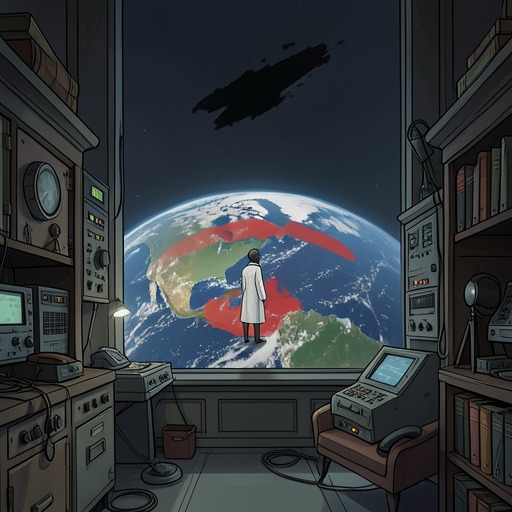
Stranger in a Strange LandThe Fifth planet, now represented by asteroid ruins, is the lost world at the center of a profound Martian act of remembrance. Its destruction was not merely an ancient event: Martian artists continued to revisit the encounter, seeking to grasp the destroyed people and the full emotional complexity of what had happened. The novel sets this long-lived memory against the secrecy and competing acts of commemoration that shape human accounts of the present.
The ancient encounter
The Martian Race encountered the people of the Fifth planet, came to understand them completely, and eventually destroyed them. The surviving physical trace was the ruins among the asteroids. Yet destruction did not erase the conquered people from Martian life: the Martians continued to cherish and praise them, keeping the encounter emotionally present long after its material end.
Art and continuing remembrance
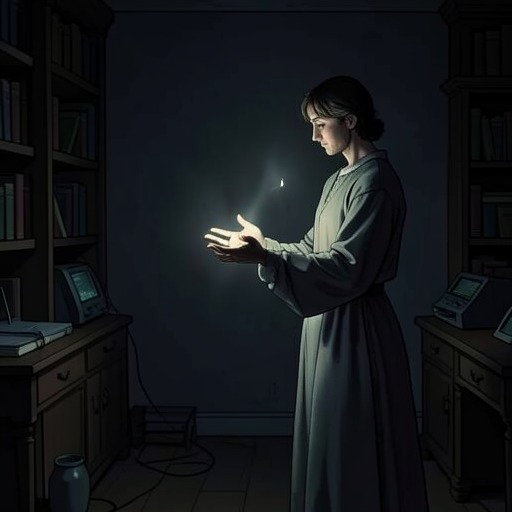
Around the time of Caesar Augustus, a Martian artist began composing a work about the contact between the Martian Race and the people of the Fifth planet. The opus could be understood, in human terms, as poetry, music, or philosophy; it arranged emotions into a tragic sequence of logical necessity. Its subject was religious in the broad sense and strongly emotional, an attempt to comprehend the beautiful experience as a whole and in all its complexity.
The artist unexpectedly discorporated before completing the work, but did not notice the change and continued composing. An Old One set the work's final form, leaving its status uncertain: it crossed the boundary between art made by a living adult and art shaped by the discorporate. Martian art judged those categories by different standards, and the Old Ones had spent centuries considering how such a work should be assessed. The possibility that other artists might produce comparable works through unexpected discorporation made the question more than a dispute about classification.
Memory across worlds and generations
The Fifth planet's fate provides a contrast between Martian and human relationships to the past. For Martians, the destroyed people remained an object of praise and an enduring emotional presence; for humans, the destruction was known to Valentine Michael Smith as historical knowledge, comparable to familiar school lessons, but he had not encountered the art through which Martians continued to explore its meaning. The difference is not simply what each culture knows, but how deeply an event remains alive within its forms of remembrance.
The novel also places this sustained Martian memory beside the human struggle over records and public narratives. Ben Caxton believes the recovered log of the Envoy will not be released because it contains a terrible account of the deaths aboard the ship, while the identity and interests of the Man from Mars remain obscured from reporters. Elsewhere, Patricia Paiwonski's tattoos preserve scenes from the life of Archangel Foster on her body, and an unauthorized biography of Foster is repeatedly suppressed. These distinct human episodes do not explain the Fifth planet's destruction; they sharpen the contrast between contested, managed human records and the Martian effort to understand a lost people as part of a continuing whole.
A lost world with a lasting presence
The Fifth planet survives in the narrative through two apparently opposed facts: its people were destroyed, yet their memory remains cherished and artistically active among the Martians. The unfinished opus makes that survival a problem of form as well as history. Its maker's passage from embodied life did not interrupt the work, and the Old Ones' continuing debate over how to judge it shows that remembrance itself can remain unfinished. The vanished world is therefore not only a site of ancient loss, but the subject of an ongoing effort to comprehend what that loss meant.